Election Cake

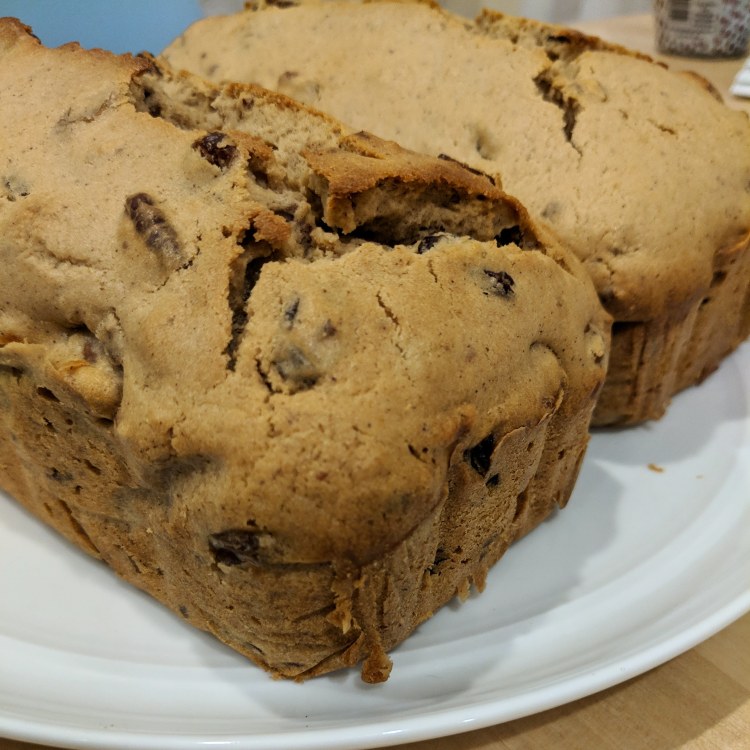
Kitra: Election Cakes are part of the largely forgotten American tradition of bribing people to participate in democracy. First it was politicians offering free booze outside of polling locations, then the country turned to cake. Women made massive batches of election cake and offered them as incentives to come to vote. And we’re not the only ones who did this. In Australia, it’s still a common practice to serve “democracy sausages” outside of polling sites.
Jordan: Kitra vaguely remembered that one of the early presidents once won an election by providing free booze at the polls. Turns out it was George Washington, who lost his first election in Virginia but won the second by spending his entire campaign budget on alcohol.
Speaking of presidents, our election cake inspiration came from an 1887 White House cookbook full of poison antidotes and cake recipes that seem to be missing most of their ingredients and all of their directions.
The full recipe for Election Cake:
Three cups milk, two cups sugar, one cup yeast; stir to a batter, and let stand over night; in the morning add two cups sugar, two cups butter, three eggs, half a nutmeg, one tablespoonful cinnamon, one pound raisins, a gill of brandy.
Brown sugar is much better than white for this kind of cake, and it is improved by dissolving a half-teaspoonful of soda in a tablespoonful of milk in the morning. It should stand in the greased pans and rise some time until quite light before baking.
That’s it. That’s the entire recipe.
Notice, no flour.
Four cups of sugar.
ONE CUP OF YEAST. YEAST!
How long does it bake for? What kind of pan? No one knows!
So obviously we had to make it. And also a safety cake with flour, instructions, and a very reasonable amount of yeast.
To reconstruct this cake, we started by assuming that it was wrong. Four cups of sugar and no flour sounded like a disaster, but two cups of flour and two of sugar might work. We decided that the first mention of sugar must have been a mistake and swapped it for flour. We also reduced the yeast significantly. We cut it in half to account for using active dry yeast rather than fresh yeast, then again for the advances in yeast effectiveness that have probably happened since 1887, then reduced it a bit more for good measure.
I just thought it should be a living buzoozle of yeast.
That felt like a bad idea. Also like a cup of yeast would be kind of expensive.
I wasn’t thinking a cup, but like, maybe a ¼ cup.
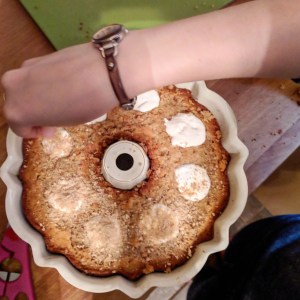
The actual process for this was pretty concerning. It turns out that adding a very liquidy batter, raisins, and brandy to creamed butter and sugar gives you… very liquidy butter and sugar with raisins and brandy. So we added a little bit of flour, threw it in the oven, and crossed our fingers.
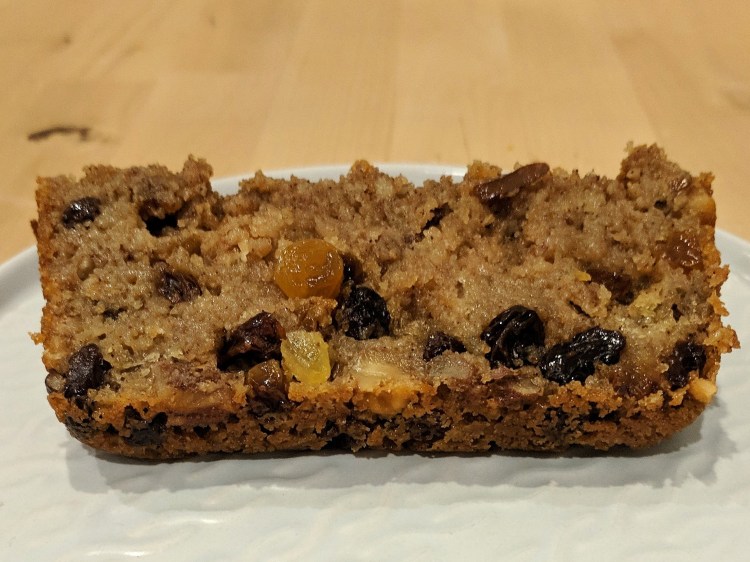
You don’t need to butter this cake. This cake is ALL. BUTTER. My immediate reaction upon turning it out was “So greasy…”
In fact, testing it with a toothpick was very concerning because even though the cake still felt quite soft, the toothpick came out with nothing but butter on it.
A selection of our reactions to this cake upon trying it:
“What the hell is this?”
“It’s like we invented baked oatmeal, but without the oats.”
“It’s like we already made french toast out of the other cake.”
“This is bread pudding.”
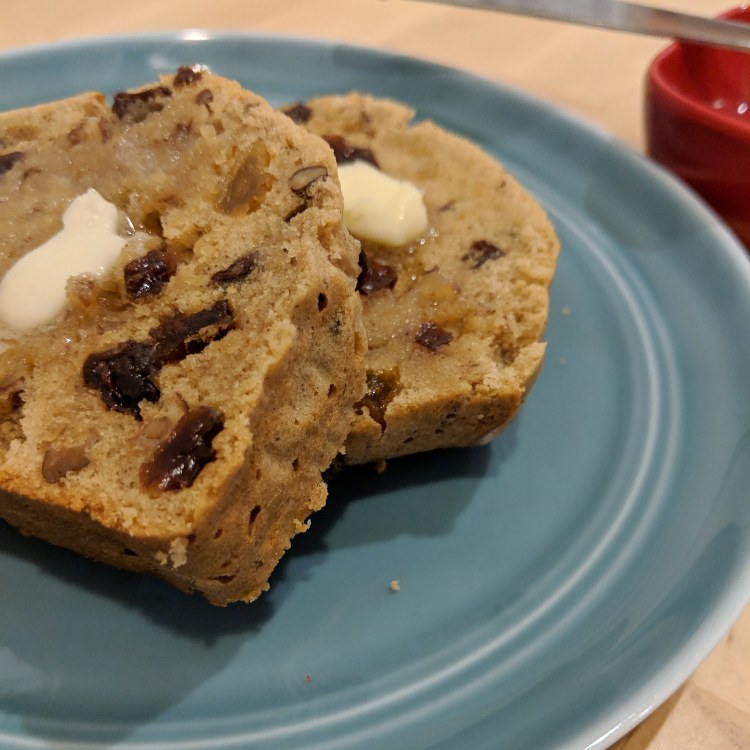
And honestly? It’s not bad. It’s pretty good actually, just… not election cake.
It has potential, though. We’ll revisit it next time there’s an election. Until then, here’s a recipe that actually works… and, if you want it, our variation on the 1887 cake. We recommend you make the former.










 Yay Cake Day